

The Land
How it started, and how it's growing...

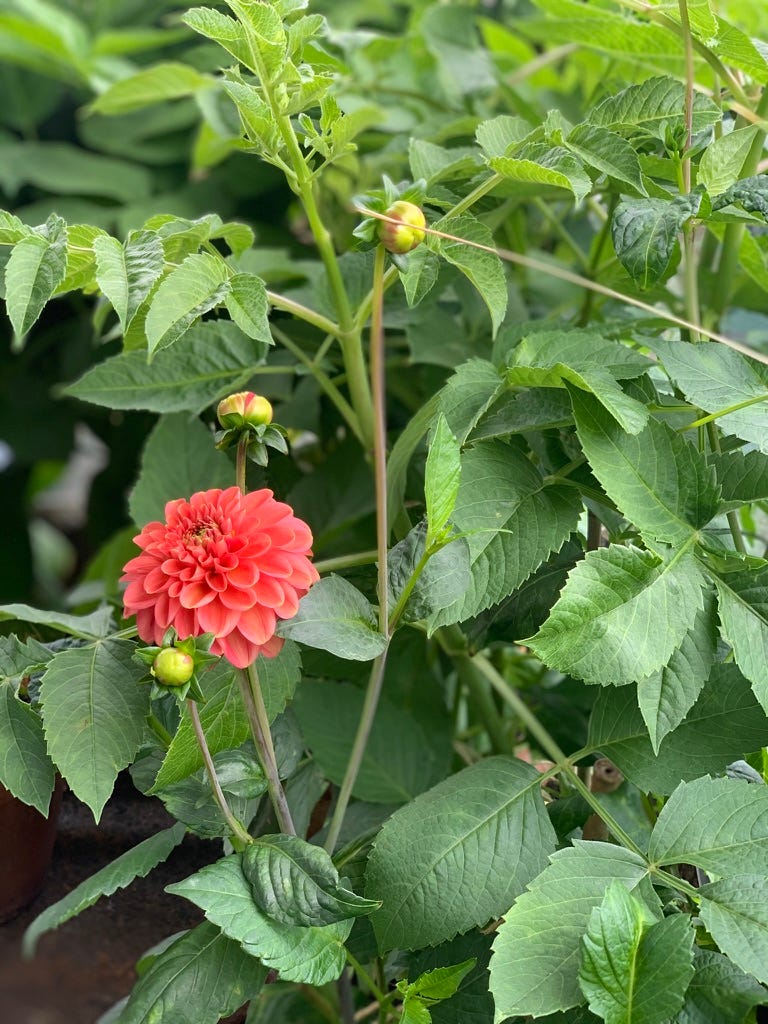
I first started growing flowers on a north-east facing balcony in central London, and even though I only managed to squeeze out a couple of blooms from the dahlia (Zundert Mystery Fox - a tangerine, terracotta beauty,) given to me by my mum, I was absolutely hooked.
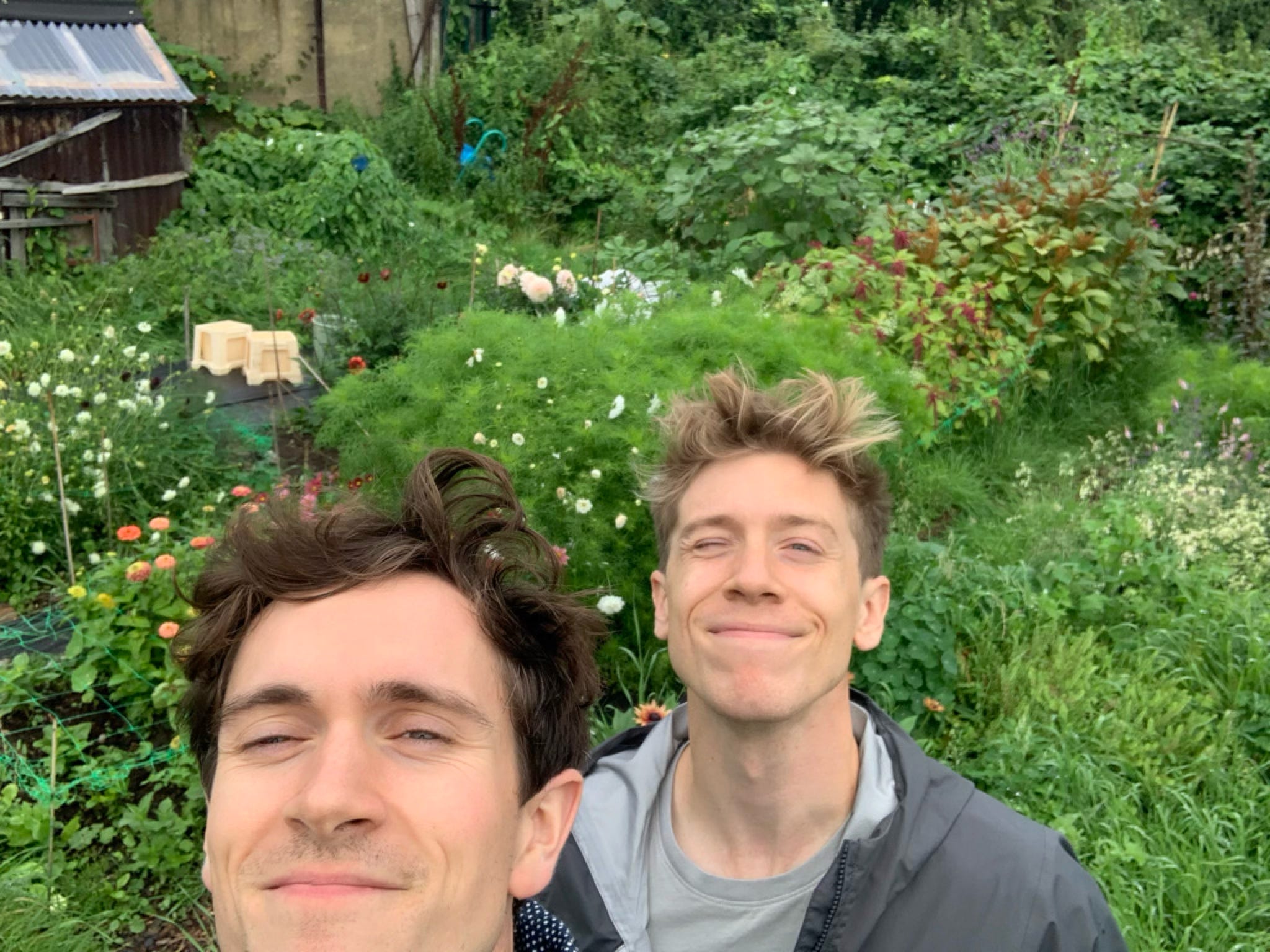
I quickly learned that dahlias need substantially more sun, and as the urge to grow flowers intensified, we lucked out and were given an allotment in Walthamstow by a brilliant grower who I’d been working for, who’d recently expanded and was generous enough to let us garden on her unused plot. Neat rows of annuals, some bare root roses and shrubs in 2L pots went in and confirmed the bug, and we spent two years growing cut flowers on this tiny London plot. We soon moved from our studio flat in central London to Stratford, where we created our first proper garden together. Realising that this space had to not only serve my growing floral design business but also my shared home with Will, I knew that eventually I’d need to look for a bigger space that I could dedicate to growing at scale.
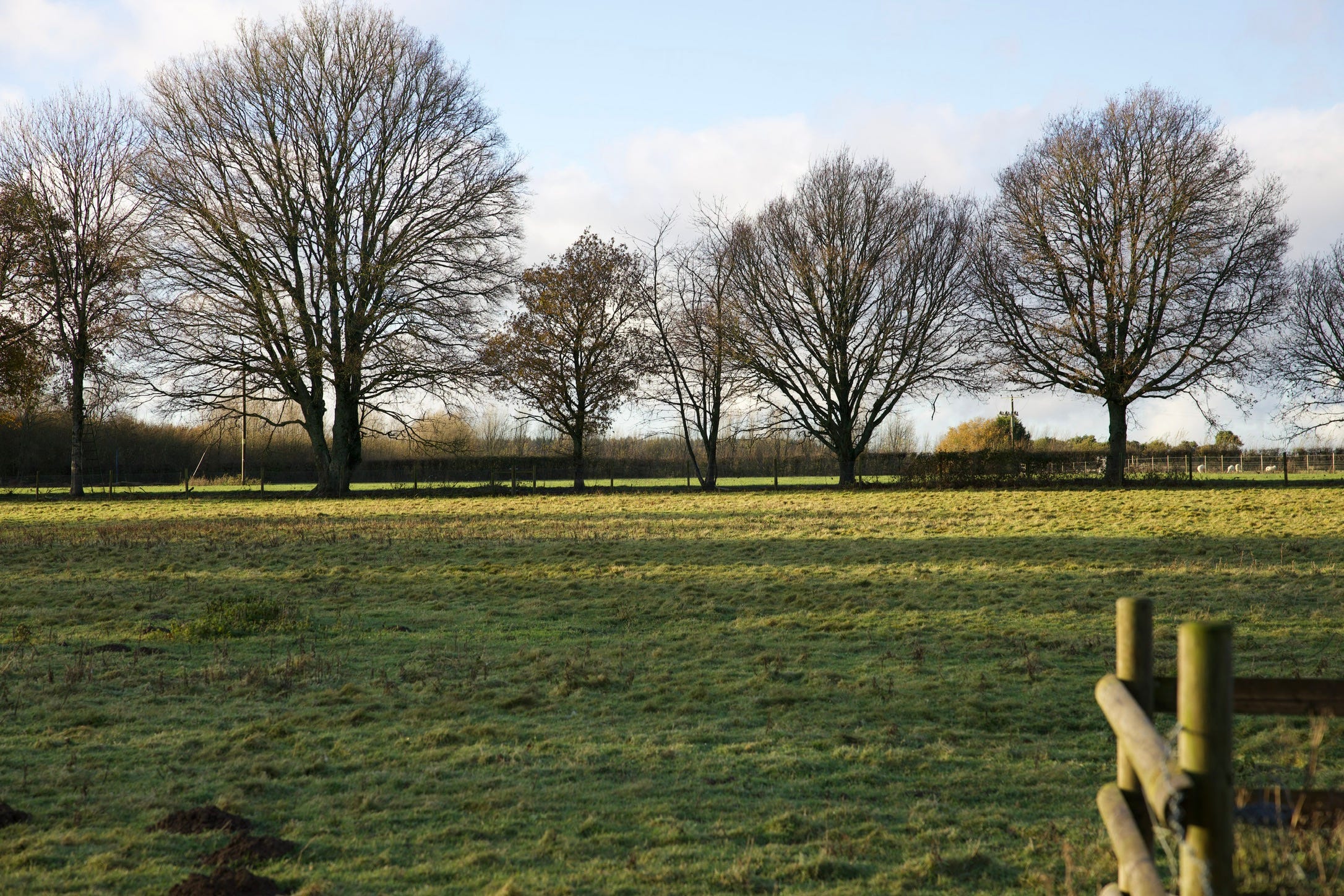
It took time to find a site close enough to London to rent, with my aim to find between a quarter and a half an acre. After over a year of dead ends with councils and fruitless cold calling, I was all about to give up hope, when through the power of instagram I met a new friend who knew someone who’s brother was an estate owner and put us in touch. Being in east London at the time, I’d initially been looking at Essex, Hertfordshire and Kent, so when this site came up in Hampshire I was hesitant and wondered if it would be too far. However, I took Will with me on our first visit and as soon as we saw the field we knew it was too good an opportunity to pass up - there was a building with power, a water source, and more space than I could have dreamed - 3.5 acres - even if it meant 2 and a half hours to get there. Knowing eventually we’d try and move west due to both our families being this side, it was all about biding our time and putting up with the drive whilst setting it up. Many a podcast and countless hours of Lady Gaga sustained me across 3 motorways for 2 years, until we eventually had saved enough to move to Twickenham, west London, cutting my commute down to 45 mins. Bliss.
Now, transforming an empty field in to a garden and flower field is no mean feat. Creating an open, exposed site in to somewhere flowers will grow and thrive takes planning. Luckily, I’d worked on several flower farms both here in the UK and in the US, learning what these experienced growers had had success with, and hearing what they would have done differently if they were doing it again.
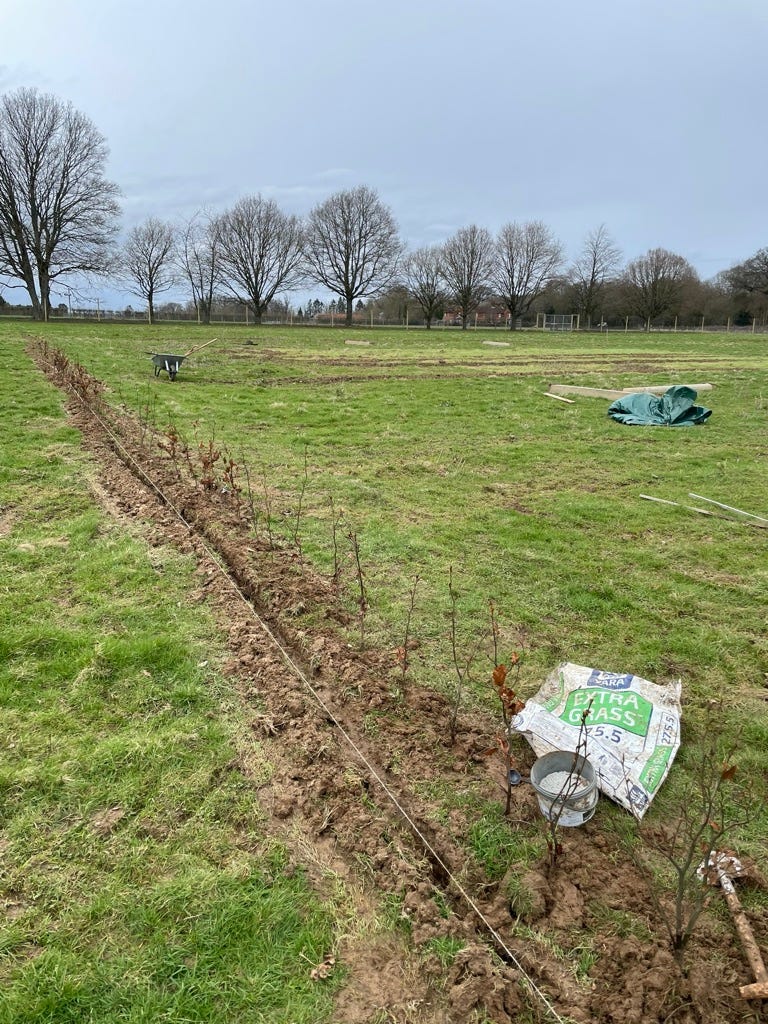
Sorting out the boundaries was the first task. My landlord (thankfully) agreed to share the cost for a 6ft high deer fence, and even though the investment felt huge, it seemed the only sensible path forwards, as what was the point of growing these beautiful flowers if they were just going to be eaten as soon as they were planted? After the fence went up end of January, I knew I wanted to get a load of hedging plants in asap, to slow down the wind that sped across the field, to help break up the space, and to give me a year round supply of foliage.
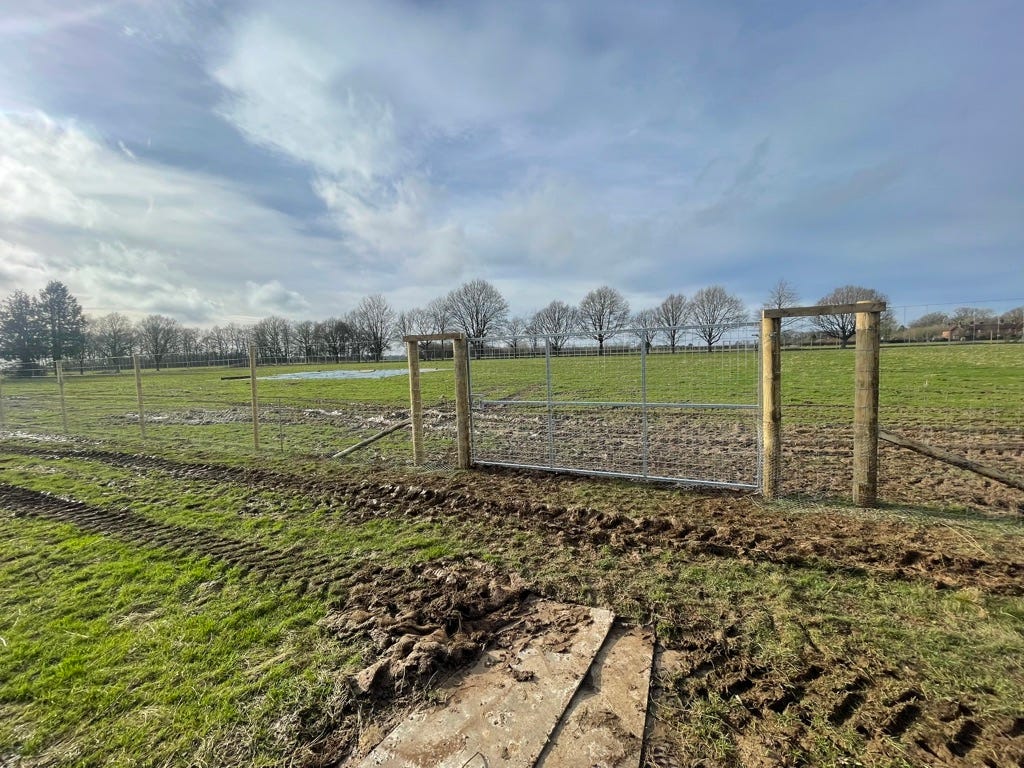
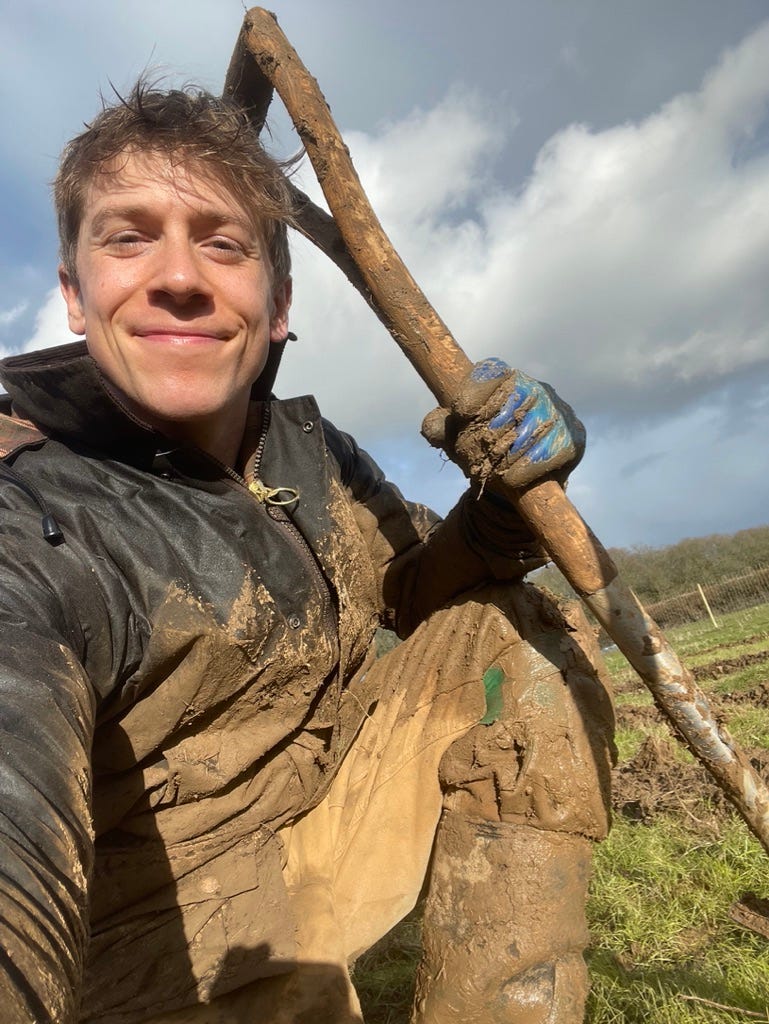
I chose blossoming and fruiting varieties - amelanchier, beech, hornbeam, wild rose, maple, crab apple, hawthorne, elder, willow, wild cherry, wild pear - these whips were barely shin height and now as they hit their third summer some of them are taller than me. It’s been a test in patience and self control, as I’ve tried to leave them to it to get their roots down and settle before gingerly starting to cut from them, and this year the viburnum and wild rose being the two varieties I’ve been most drawn to. I interplanted the three bulkiest species - maple, wild cherry and crab apple with wild clematis to save me scouring the Hampshire countryside for some to forage, and I’m hopeful this year will be the first year I can harvest it. Win.
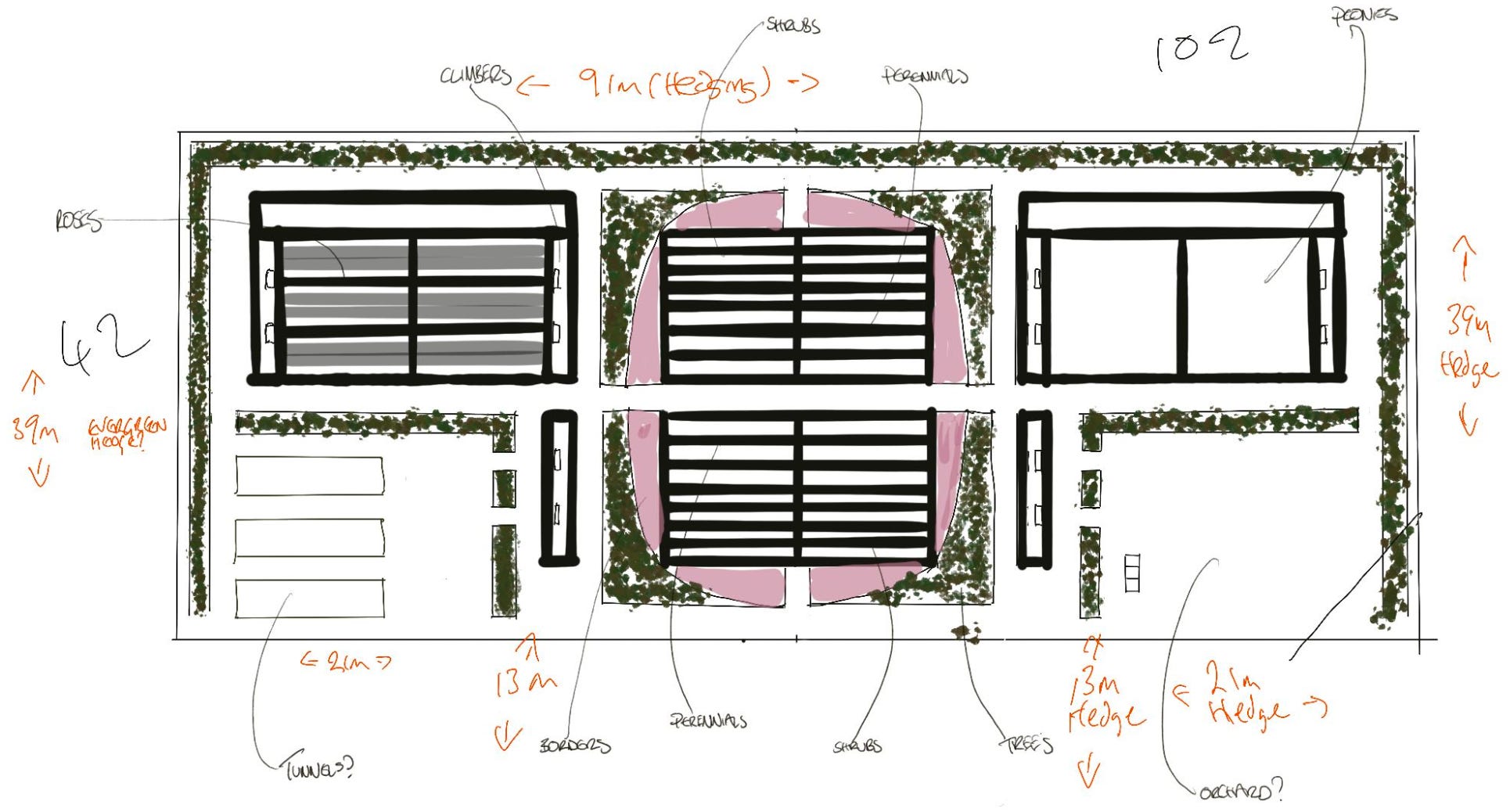
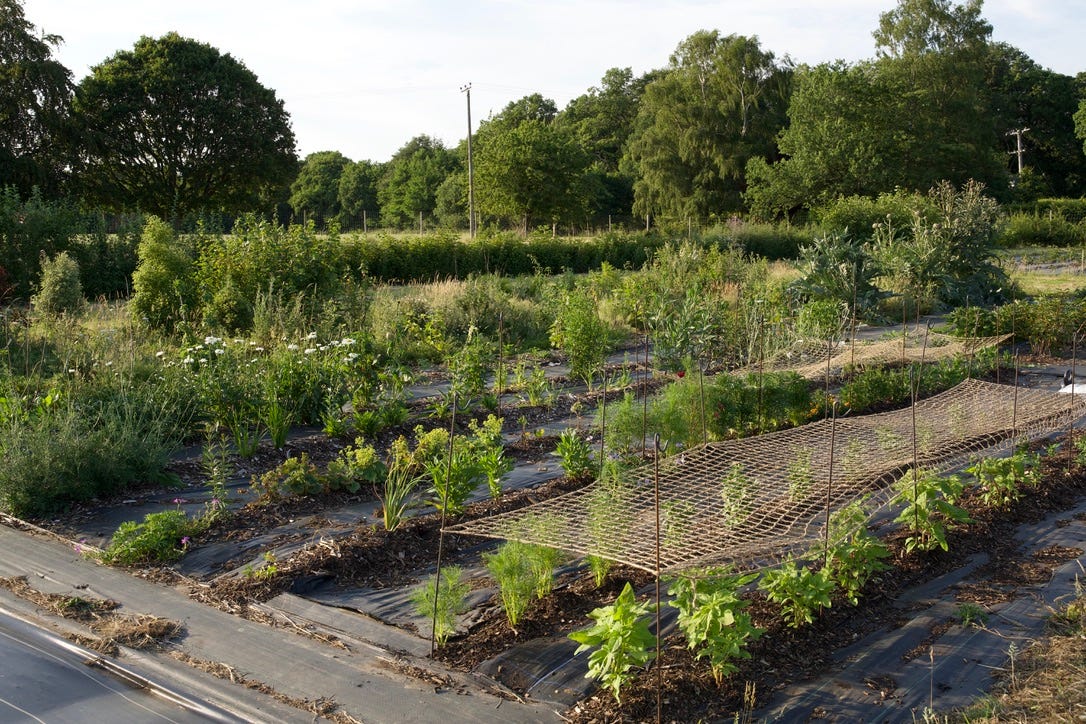
My aim when designing the layout of the field was to bring together everything I’d learnt over the previous couple of years working for other growers, and to fuse a productive cut flower field with the magic of a garden. In theory - excellent, in reality - tricky. I was still dancing full time so I knew I’d be balancing my time between the two careers. Because of this, focusing on shrubs and perennials felt like the most sensible option, as once planted, with a good water and thick mulch, they’d need a lot less tlc than annuals, with the trade off being they’d take several years to hit their stride. Another benefit on focusing on these two groups of plants was that if I missed it’s flowering season due to being away dancing on tour, they could just die back and be used again next year, saving a lot of waste had they been annuals. I’ve attached the initial design below, showing grided blocks of beds, with a separate area for roses and peonies, all surround by a double mixed row of hedging. I then imagined curved sweeping borders and trees to break up the view, creating the blend of a efficient flower field with the mystery and interest of a garden. I started with the blocks of beds, and soon realised that as it’s just me looking after it all, the vision of the garden with its beds and trees would have to wait, as even keeping the plants that I’d sown or planted alive and weed free in 1m wide beds was a challenge.
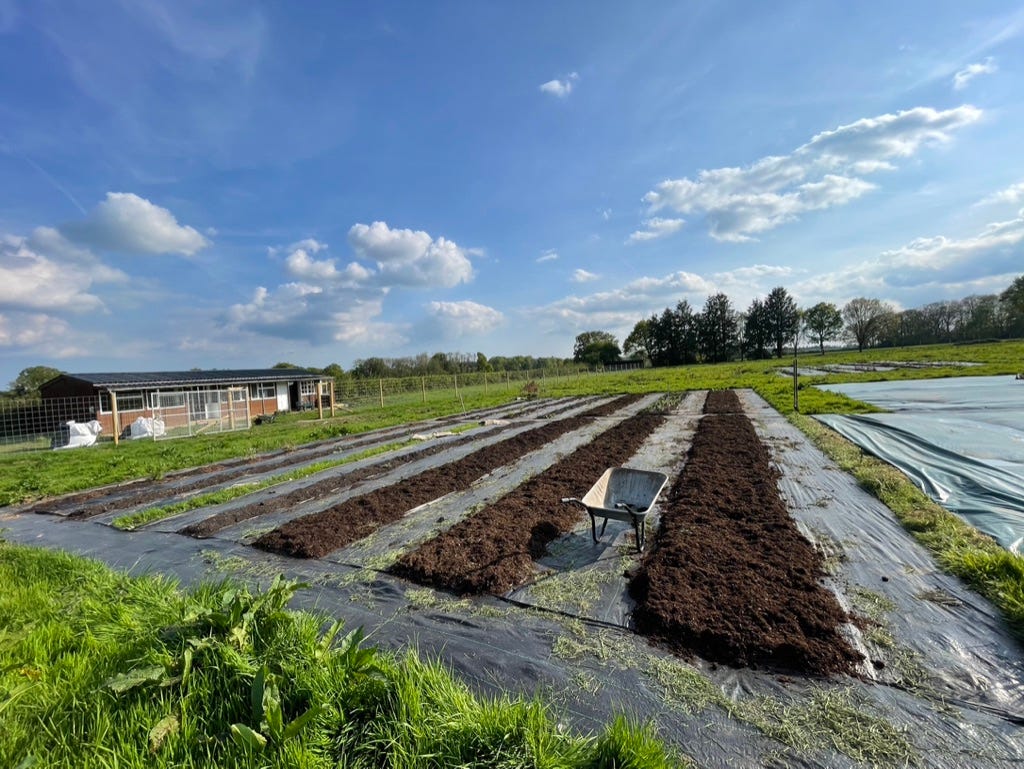
Over the last couple of years, it’s changed and adapted a lot, as I’ve learnt more about how to use my time sensibly and how to look after the field. Last autumn, I shift the size of the beds to 25cm wide, planting much closer together and mulching heavily with composted wood chips. This has been a game changer, making everything much easier to look after, so much quicker to weed and everything planted in these beds is much happier and healthier. This spring, I lifted what had survived from the larger beds and moved them in to the new, narrower beds, and it’s honestly been the best thing, making me feel slightly more in control and less defeated seeing a whole bed of docks and thistles where there should be flowers.
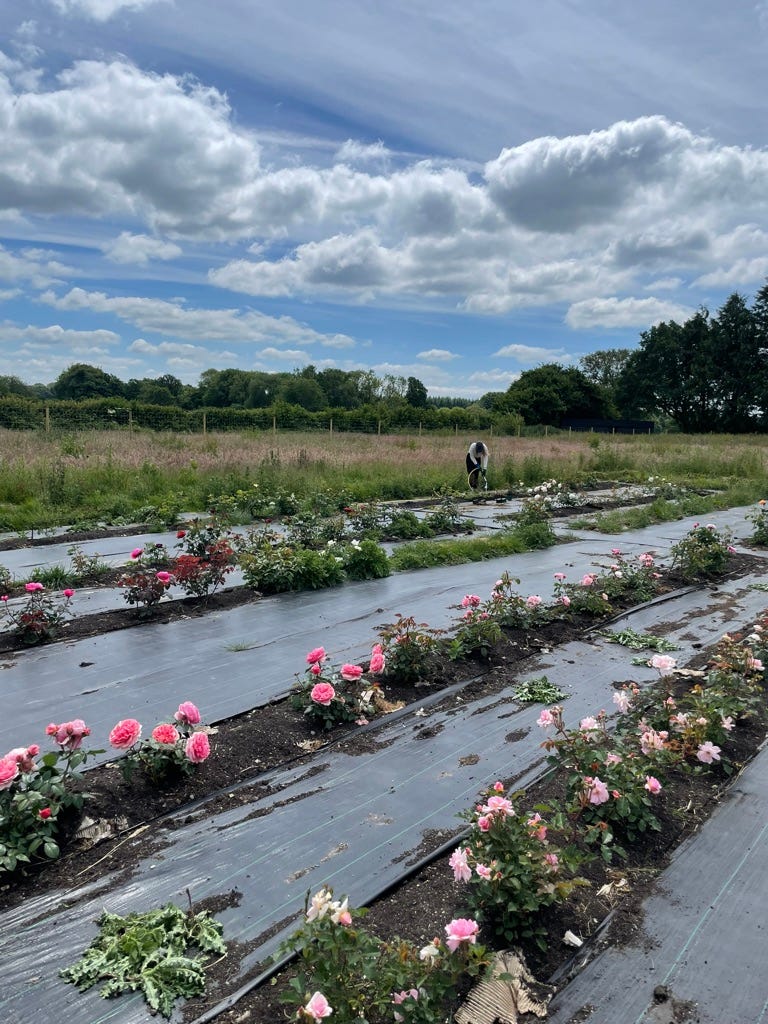
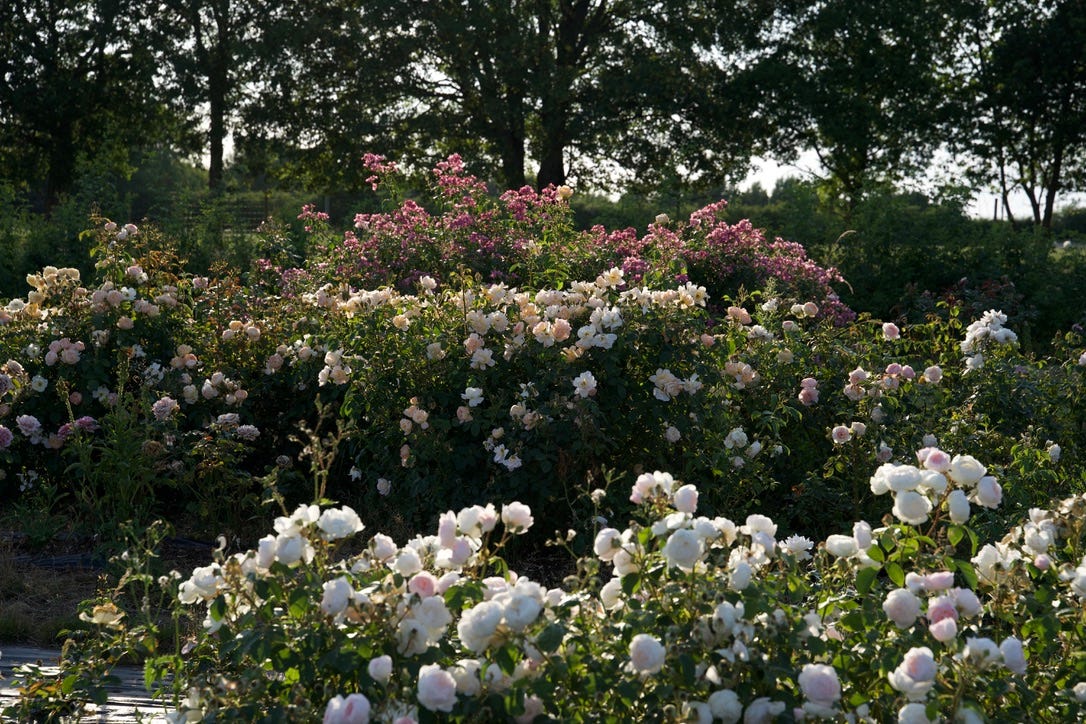
The area I’m particularly proud of is the rose garden, and having thrived since their first year, the amount of growth has been staggering, with each season producing a hugely generous amount of flowers. More on them in good time.
Tasks for the rest of 2026 are to add in more climbers to create some shaded areas, to finally get round to building a compost bay (please God let this year be the year where there’s time), and to generally continue in this new, concise and more efficient way of working. I have aims to build a dry area for plants which love good drainage and would thrive in our ever hotter summers, but as I’m on heavy clay, it’ll take a good amount of building, sand and grit so in reality I think that’s going to be 2027, and alongside the first phase of the orchard, I think next year is already looking like it’s going to be a good year.
Looking forward to sharing more as the years go on.

I loved seeing the evolution rather than just the result. There's something deeply reassuring about watching a dream change shape instead of staying rigid. It reminds me that creating anything worthwhile, whether it's a garden, a business, or a life, is rarely a straight line. Thank you for sharing the journey..
My goodness, what inspiration and drive you have! I manage the very large garden that surrounds our home but always wonder how much longer I can keep it up. I would loved to have tackled a project such as yours!